Zinc Passivation
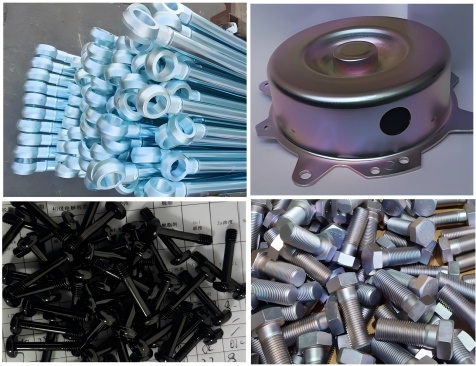
Zinc passivation is a chemical treatment applied to zinc-coated metals to enhance corrosion resistance by forming a protective, inert layer on the surface. Zinc passivation, also known as chromate or conversion coating, is a process that creates a thin, protective layer on zinc or zinc-alloy surfaces. This layer chemically reacts with the zinc to form a zinc-chromium complex, which acts as a barrier against moisture, oxygen, and salts, preventing the formation of white rust (zinc hydroxide) and extending the li...
Productprocess flowTDSMSDSID: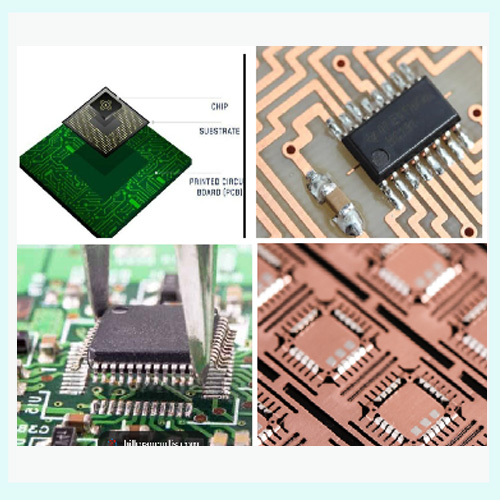
Lead Frame Plating
Lead frames are manufactured by removing material from a flat plate of copper, copper-alloy, or iron-nickel alloy like alloy 42. Two processes used for this are etching (suitable for high density of leads), or stamping (suitable for low density of leads) They are essential in IC packages like DIP, QFP, SOIC, and QFN, enabling mechanical stability, signal transmission, and thermal management.
Productprocess flowTDSMSDSID: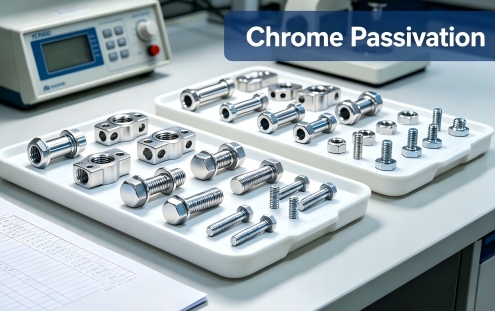
Chrome Passivation
Chrome passivation is a chemical treatment that converts the surface of zinc or stainless steel into a corrosion-resistant chromate layer, enhancing durability and appearance.
Productprocess flowTDSMSDSID: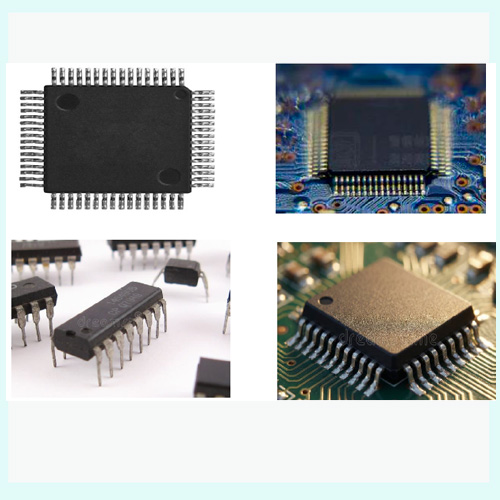
IC leads plating
IC lead frame and lead plating is a core surface finishing process in semiconductor packaging. Functional metal coatings are electroplated onto the metallic leads of integrated circuits to improve solderability, resist oxidation and corrosion, strengthen wire bonding performance, and optimize electrical and thermal conductivity, Copper alloy lead frames (C194, C7025, etc.); Typical plating layers: pre-nickel strike, microporous nickel, bright tin, matte tin, tin-bismuth alloy, palladium-nickel, gold, silve...
Productprocess flowTDSMSDSID: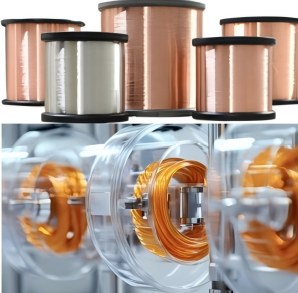
Wire Plating
Wire plating refers to a continuous electroplating process for metal wires. Using long metal wires such as copper, brass and stainless steel wire as substrates, a uniform metal coating is electrolytically deposited on the wire surface during high-speed continuous wire feeding. This process adopts a continuous roll-to-roll electroplating production line.
Productprocess flowTDSMSDSID:
Alkaline Soak Cleaner
High‑pH cleaning solutions (pH>7, typically 9‑13) widely used in PCB manufacturing, metal pretreatment and industrial surface treatment, formulated with alkalis, surfactants, builders, chelating agents and additives.
Productprocess flowTDSMSDSID: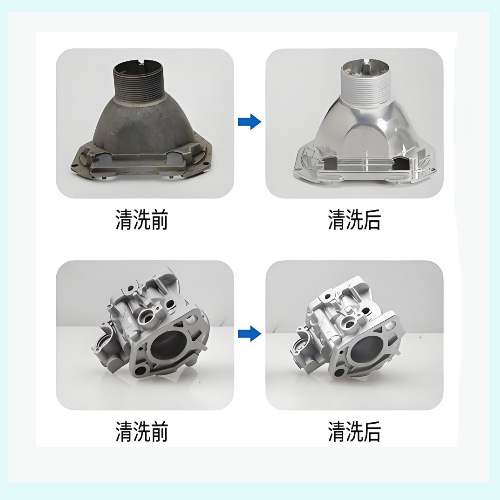
Acid Cleaner
Acid Cleaner are used to remove light scale organic depsosits on copper and its alloy materials. The solution contain active ingedients icluding corrosion inhibitors and surfacts
Productprocess flowTDSMSDSID: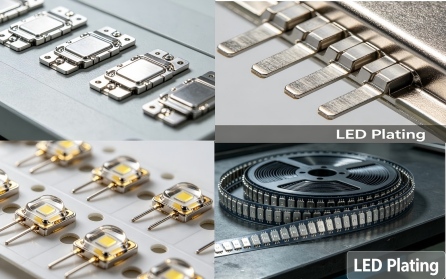
LED plating
LED plating is a specialized precision electroplating process designed for LED lead frames, chip substrates and SMD LED components. It deposits multi-layer ultra-thin metal coatings (copper, nickel, silver) to achieve high reflectivity, excellent solderability, stable electrical conductivity and long-term anti-tarnish performance. It is a critical micro-electroplating technology for LED lighting and display packaging.
Productprocess flowTDSMSDSID: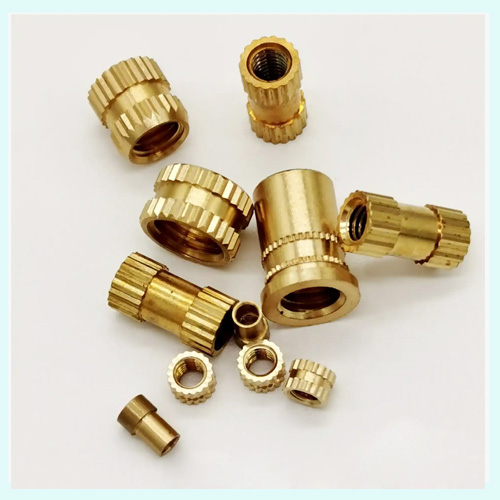
Electrolytic Cleaner
Electrolytic cleaner is a high-efficiency alkaline surface treatment solution used in pre-plating pretreatment processes. Different from regular soaking degreaser, it removes stubborn surface contaminants relying on electric current-assisted chemical reaction. When workpieces are connected as cathode or anode in the cleaner tank, abundant tiny hydrogen or oxygen bubbles generate on the metal surface. The bubble bursting impact strips adherent dirt thoroughly, making it a necessary pretreatment process before chemi...
Productprocess flowTDSMSDSID: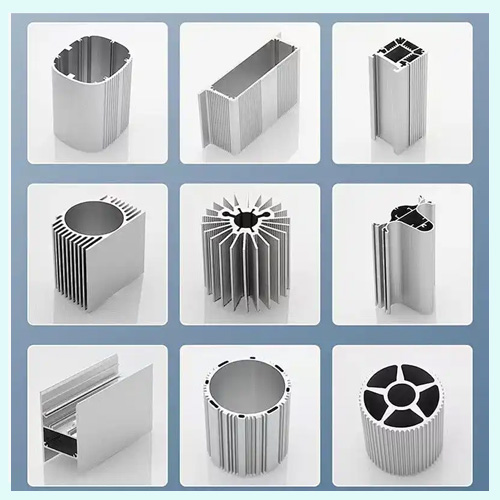
Dry Acid Salt
Dry acid salt is a dry, powder-based acidic pretreatment chemical widely used in electroplating and metal finishing lines. It replaces traditional liquid acid activation, featuring low volatility, safe handling and stable acidity. It is mainly used to remove surface oxides, light rust and alkaline film residues after degreasing, activating metal substrates before plating or chemical polishing.
Productprocess flowTDSMSDSID:
Acid Inhibitor
An acid inhibitor is a specialized chemical additive used in acidic treatment solutions for electroplating, chemical polishing and metal pickling processes. It is designed to suppress excessive chemical etching and corrosion on metal substrates while allowing normal acid cleaning and activation reactions. It protects base metals from over-corrosion, dimensional loss and surface damage during acid treatment, without affecting the cleaning and activation efficiency of the acid solution.
Productprocess flowTDSMSDSID: